July 14, 2023 – January 24, 2024 · Narok County, Maasai Mara ecosystem
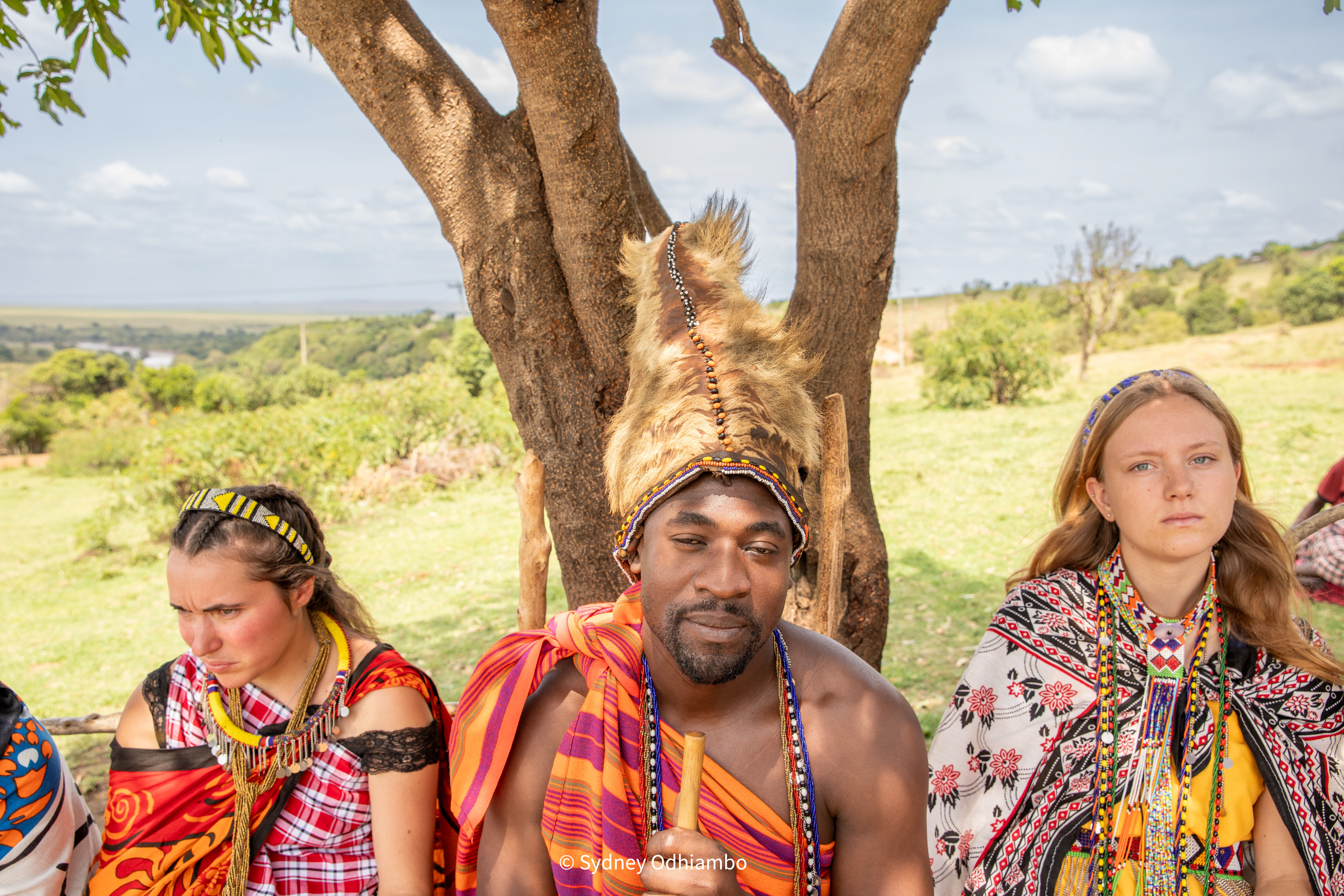
The Maasai tribe is a unique and popular tribe due to their long-preserved culture. Despite education, civilization and western cultural influences, the Maasai people have clung to their traditional way of life, making them a symbol of Kenyan culture. Their distinctive dress and strategic territory along Kenya's and Tanzania's game parks have made them one of East Africa's most internationally famous cultural attractions.
The wildlife, culture, conservation and education village centre offers volunteers the opportunity to explore, learn and interact with the Maasai community and their culture. The conservancy sits at the most point of the Greater Mara Ecosystem, bordering the Olchorro Oliroua Conservancy to the south and MMNC to the east, and is managed under a model focused on livestock improvement through innovative cattle management alongside novel tourism projects.
Ground patrols and safari walks, identifying animal species and indigenous plants, and monitoring wildlife movement.
Experiencing Maasai daily life, cattle grazing and milking, and helping maintain and build manyatta houses.
Teaching and playing with kids, tree planting, gardening, and outreach at the local dispensary.
Volunteers live in Maasai Manyattas (villages) with host families — pit latrines and local bathrooms, no electricity or internet.
Held the morning after arrival at KVSO offices in Nairobi, covering Kenya and Maasai land, customs, safety and travel expectations.
Weekend guided safaris deeper into the Maasai Mara reserve to spot lions, gazelles and water buffalo, alongside the everyday savannah wildlife around camp.
€380 per month, including project work, housing, all meals, airport transport, and 24-hour on-site staff support.
Jomo Kenyatta International Airport.
Three more UNESCO World Heritage Volunteers action camps across Kenya.