June 14 – June 22, 2023 · Migori County · UNESCO World Heritage Volunteers Programme
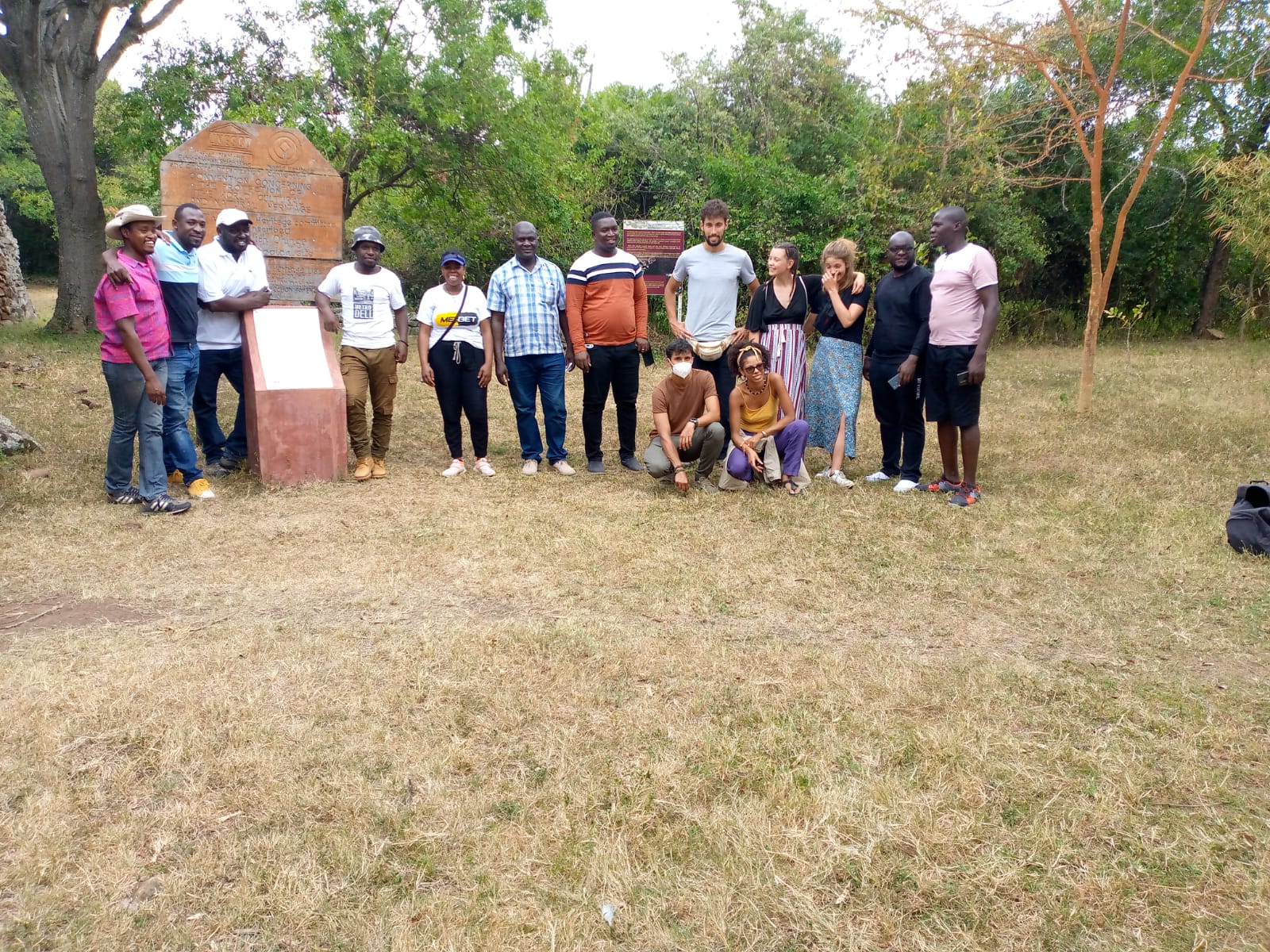
Situated north-west of the town of Migori, in the Lake Victoria region, this dry-stone walled settlement was probably built in the 16th century CE and seems to have served as a fort for communities and livestock, but also defined social entities and relationships linked to lineage. It is an exceptional example of the tradition of massive dry-stone walled enclosures, typical of the first pastoral communities in the Lake Victoria Basin, which persisted from the 16th to the mid-20th century.
ObjectivesThe project aims at educating and informing local communities on the need to protect and conserve the site, and to promote inclusiveness and peace through providing opportunities for people to learn from each other's culture and heritage.
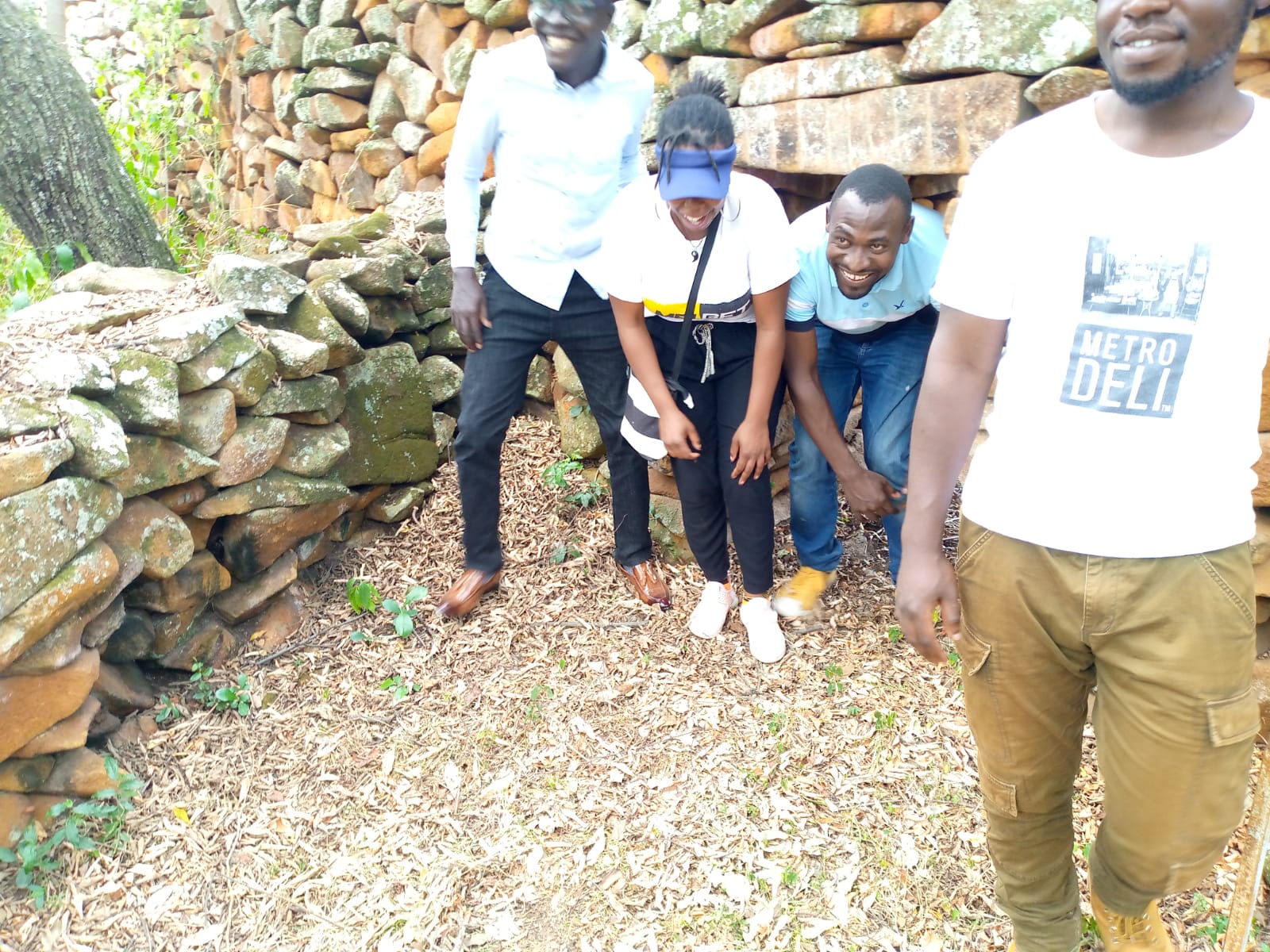
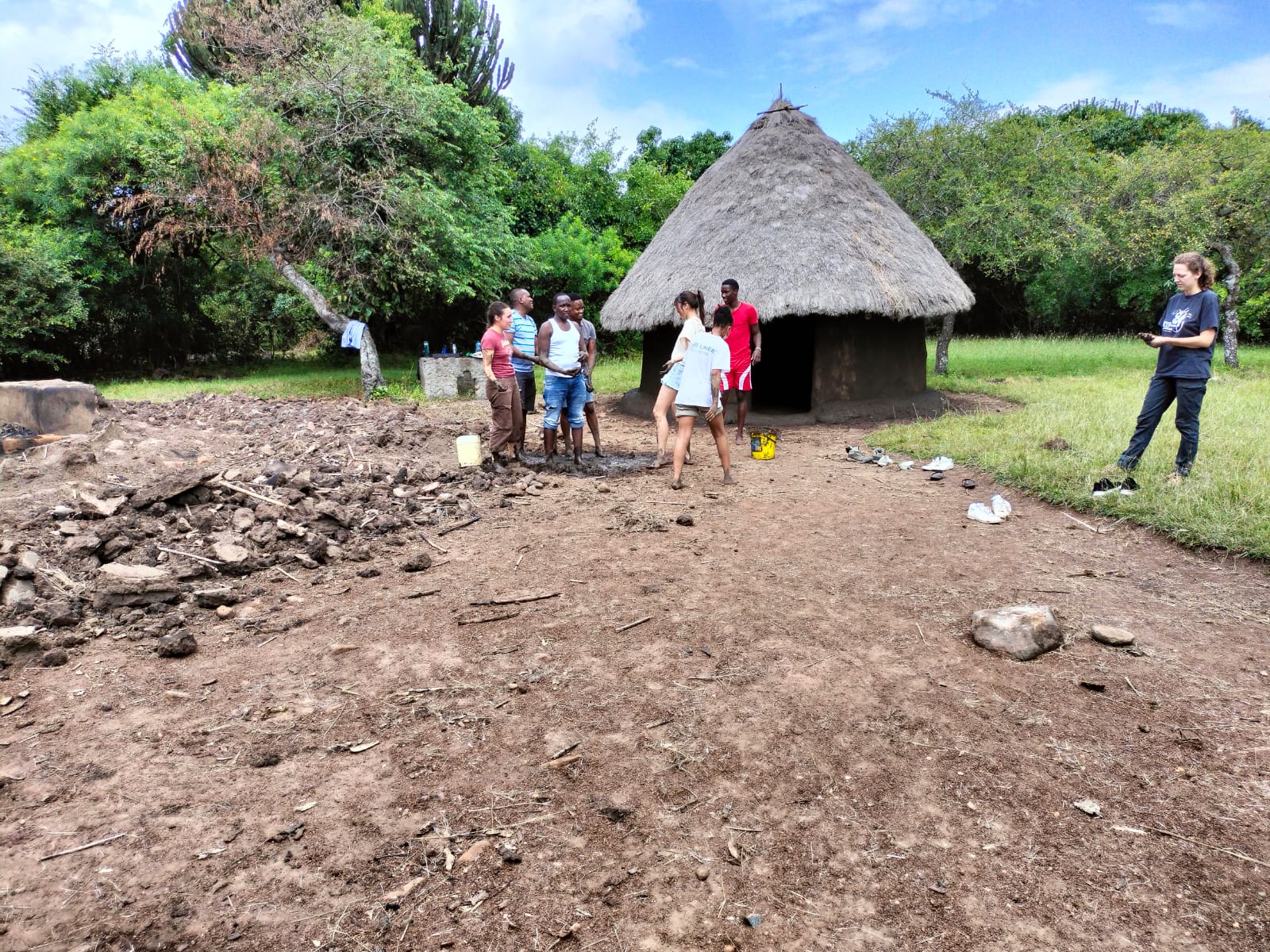
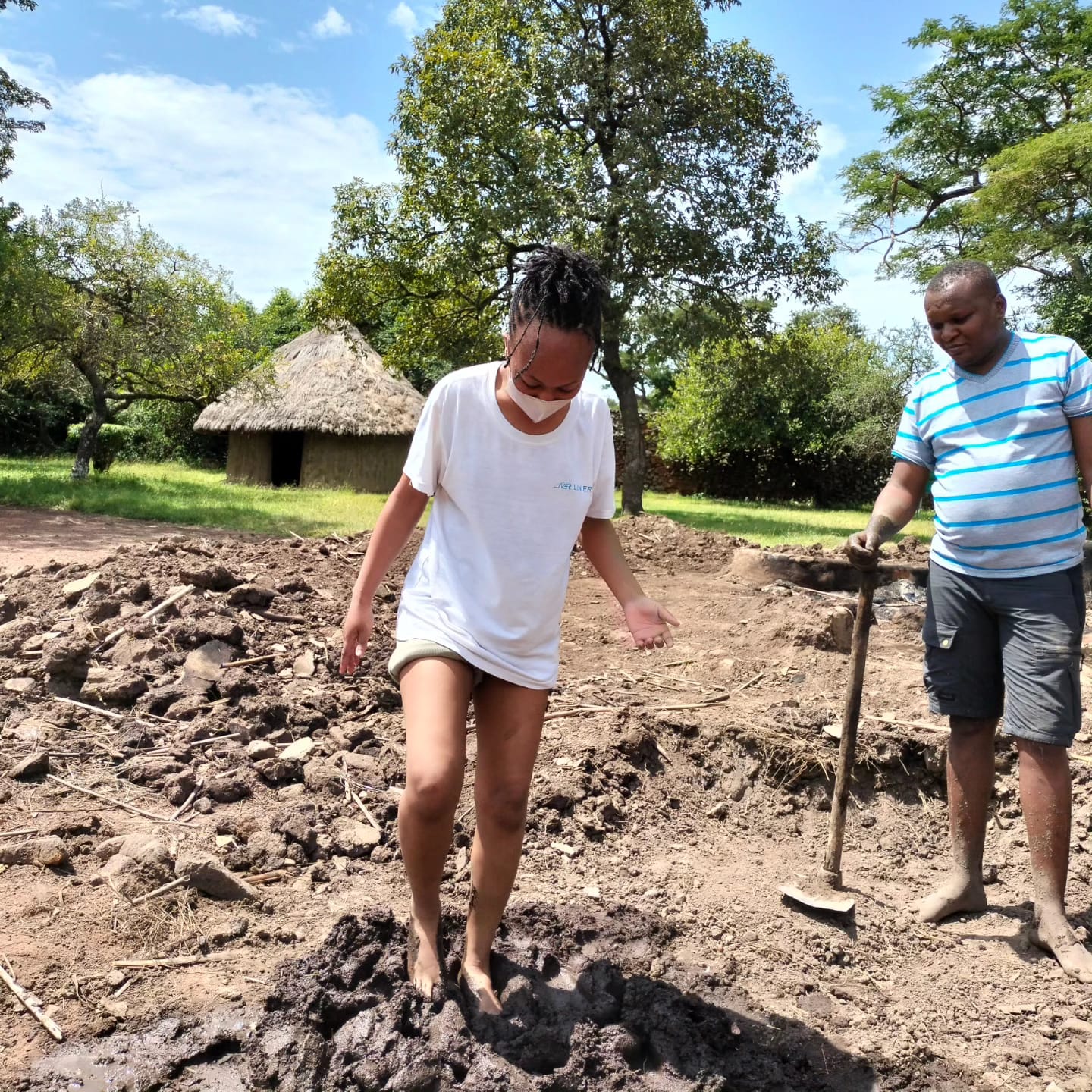
After a technical training workshop on brick laying and mortar placement, volunteers help renovate and rehabilitate the dry-stone walls with the local community, run heritage-themed drawing and writing competitions in schools, and distribute leaflets and conduct interviews with the public.
National Museums of Kenya, Kenya National Commission for UNESCO.
Volunteers are hosted by local families for the whole duration of the project, and prepare and share meals together.
A boat tour to Migingo Island, visits to Rusinga Island for fishing expeditions, or trips to the lake city of Kisumu. Tanzania's border is only a short distance away.
€380 per month, including project work, housing, all meals, airport transport, and 24-hour on-site staff support.
Jomo Kenyatta International Airport.
Three more UNESCO World Heritage Volunteers action camps across Kenya.